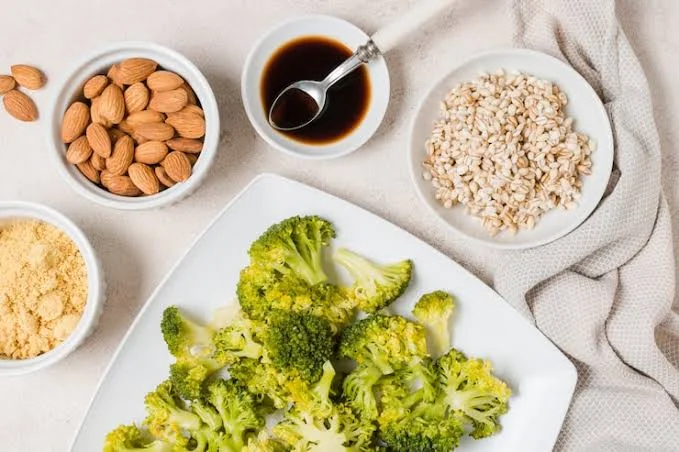
If you have ever tried to eat more plants, you have probably heard the same question from someone: “But where do you get your protein?” It is a fair question. Protein is essential for your muscles, your skin, your bones, and just about every function that keeps you alive. The good news is that you do not need to eat meat to get enough of it.
Plant foods can deliver plenty of protein. You just need to know which ones to reach for and how to put them together on your plate. This guide walks you through the best plant based protein sources, how much protein you actually need, and how to build meals that leave you full and satisfied. No complicated science. No confusing terms. Just clear information you can use today.
Plant based proteins have moved from the fringe to the mainstream for good reason. They are not just for people who follow a vegan diet. Many people are adding more plant proteins to their meals because these foods offer more than just protein. They also bring fiber, vitamins, minerals, and beneficial plant compounds that animal foods do not have.
Research shows that diets rich in pulses like beans, peas, and lentils are linked to better nutrient intake overall. People who eat more of these foods tend to take in more fiber, folate, iron, and magnesium. They also eat less saturated fat and added sugar . That is a strong package.
There is also a practical side. Plant proteins like beans and lentils are often less expensive than meat . They store well in the pantry. And they are versatile. You can add them to soups, salads, tacos, pasta, and bowls without much effort.
The old worry about plant protein was that it was “incomplete.” That idea needs some context, which we will get to later. For now, know that eating a variety of plant foods throughout the day gives your body all the building blocks it needs.
Read Also: Science and Spirituality in Nutrition for Health
Before we get to the food list, let us set the target. Most adults need somewhere between 0.8 and 1.6 grams of protein per kilogram of body weight each day, depending on age and activity level . For a 150-pound person, that works out to roughly 55 to 110 grams of protein daily.
Older adults need more protein to help preserve muscle mass as they age. Experts suggest 1.2 to 1.6 grams per kilogram for people over 65 . People who exercise hard also need more, sometimes up to 2 grams per kilogram .
You do not need to hit a perfect number at every single meal. What matters is the total across the day. Research suggests your body can use about 25 to 35 grams of protein at one time for muscle building . So spreading your protein across breakfast, lunch, and dinner is a smart approach.
Now, let us look at the foods that make this easy.
Soy foods are among the most protein-dense plant options available. They are also complete proteins, meaning they contain all the essential amino acids your body cannot make on its own .
Tofu is made from condensed soy milk pressed into blocks. It is mild in flavor, which means it takes on whatever seasoning you give it. Firm tofu works well in stir-fries, scrambles, and grills. A three-ounce serving of firm tofu gives you roughly 10 to 14 grams of protein .
Tempeh is made from fermented soybeans. It has a firmer texture and a slightly nutty taste. Because it is fermented, it may be easier for some people to digest. You can slice it thin, pan-fry it until crisp, and use it in sandwiches or tacos .
Edamame are young soybeans still in the pod. You steam them and pop the beans out as a snack. They are also a complete protein . Keep a bag in the freezer for a quick protein boost.
Soy foods have been studied extensively. They are safe for most people and offer a convenient way to hit your protein target without much planning.
If soy is the star, lentils and beans are the dependable supporting cast. They are affordable, shelf-stable, and endlessly flexible.
Lentils cook quickly compared to other dried beans. You do not even need to soak them. They come in green, brown, red, and black varieties. Red lentils break down in soups and stews, making them creamy without added fat. Green and brown lentils hold their shape and work well in salads. One cup of cooked lentils provides about 18 grams of protein, along with a hefty dose of fiber and potassium .
Chickpeas are the base of hummus and a welcome addition to grain bowls and curries. They have a firm bite and a mild, nutty flavor. You can roast them with spices for a crunchy snack.
Black beans, kidney beans, pinto beans, and white beans all bring similar benefits. A half-cup of cooked beans typically delivers 7 to 8 grams of protein . Canned beans are perfectly fine. Just rinse them well to reduce sodium.
The Mayo Clinic recommends beans, peas, and lentils as core parts of meatless meals. You can add them to casseroles, soups, and salads, or use vegetarian refried beans in place of meat in burritos and tacos . This is one of the simplest swaps you can make.
Nuts and seeds are calorie-dense, so portion size matters. But they are excellent sources of protein, healthy fats, and minerals. They also make it easy to add protein to breakfast or snacks without cooking.
Hemp seeds are a standout. They are a complete protein and have a soft texture that blends into almost anything . Sprinkle them on oatmeal, yogurt, or salads. Three tablespoons give you around 10 grams of protein.
Chia seeds are another complete protein . When mixed with liquid, they form a gel that makes puddings and jams. A two-tablespoon serving provides about 4 grams of protein plus fiber and omega-3 fats.
Pumpkin seeds, sunflower seeds, and sesame seeds are all solid choices. Sesame seeds are especially useful because they add flavor and texture to dishes. Tahini, which is ground sesame paste, makes a creamy dressing or sauce .
Peanuts are technically legumes, but most people treat them like nuts. Peanut butter is a simple protein source. Two tablespoons contain about 7 grams of protein. Look for brands with no added sugar or palm oil if you want the cleanest option.
Almonds, walnuts, and cashews are good to keep on hand. A small handful provides a few grams of protein along with satisfying crunch. The key is to measure your portion rather than eating straight from the container.
Grains are usually thought of as carbohydrates, but they contribute protein too. Some grains are surprisingly strong sources.
Quinoa is the most famous example. It is a complete protein, which is unusual for a plant food . One cup of cooked quinoa gives you about 8 grams of protein . It cooks faster than rice and has a light, fluffy texture. Use it as a base for bowls, salads, or as a side dish.
Oats are another reliable source. A half-cup of dry oats provides about 5 grams of protein. Starting your day with oatmeal is an easy way to move toward your daily target.
Brown rice, barley, and whole-wheat bread all add protein in smaller amounts. The point is not to rely on grains alone for protein. The point is that they contribute, and they pair beautifully with beans and lentils to create complete protein combinations.
This is where the conversation often gets confusing. A “complete protein” contains all nine essential amino acids in amounts your body can use. Animal foods like meat, eggs, and dairy are complete. Most plant foods are low in one or two amino acids.
But here is the thing: you do not need every single food you eat to be a complete protein. You just need to eat a variety of plant foods across the day. Your body pools amino acids from different meals and uses them as needed.
That said, some plant foods are complete on their own. According to MD Anderson Cancer Center, these include amaranth, buckwheat, chia seeds, edamame, hemp seeds, nutritional yeast, quinoa, spirulina, tempeh, and tofu . That is a useful list to keep in mind.
For the foods that are not complete, pairing works. Beans and rice. Peanut butter on whole-wheat bread. Lentil soup with a slice of whole-grain bread. These combinations give you a full amino acid profile without any extra effort. The old rule about needing to combine foods at the same meal has been relaxed. Eating them within the same day is enough.
Knowing the foods is one thing. Putting them together in a way that tastes good and feels satisfying is another. Here are some practical approaches.
Start with a protein anchor. Decide which plant protein will be the center of your meal. That could be a block of tofu, a pot of lentils, a can of chickpeas, or a scoop of beans. Build the rest of the meal around it.
Add a grain. Quinoa, brown rice, whole-wheat pasta, or crusty bread. This gives you energy and complements the amino acids in beans and legumes.
Pile on vegetables. Spinach, bell peppers, tomatoes, broccoli, mushrooms. They add volume, color, and nutrients without many calories.
Finish with a sauce or topping. Tahini dressing, a sprinkle of hemp seeds, avocado, or a squeeze of lemon. These add healthy fats and flavor.
A simple example from MD Anderson shows what this looks like: a veggie bowl with one cup of cooked quinoa, half a cup of chickpeas, spinach, cucumber, tomato, and a tahini dressing . That is a complete meal with a solid protein hit.
For breakfast, overnight oats with soy milk, chia seeds, and peanut butter can deliver over 20 grams of protein before you even leave the house .
Read: Eat Your Way to A+ Health: Load Up on These
Plant protein powders can be useful if you struggle to hit your target through whole foods alone. They are convenient for smoothies, shakes, or stirring into oatmeal. Pea protein, brown rice protein, and soy protein are common options.
But powders are supplements, not necessities. Whole foods give you protein plus fiber, vitamins, and minerals that powders do not replicate. Use powders as a backup, not a foundation.
If you do choose a powder, look for one with a short ingredient list and third-party testing. And remember that food first is always the better approach.
Even with good information, some pitfalls trip people up.
Relying on one protein source. Eating only beans every day gets boring and limits your nutrient variety. Rotate through soy, lentils, beans, nuts, seeds, and grains.
Forgetting about portion size. Plant proteins are not calorie-free. Nuts and seeds in particular are easy to overeat. Measure your portions if you are watching your weight.
Ignoring hunger. Plant-based meals can be high in fiber, which is great, but they may not feel as heavy as meat-based meals at first. If you are hungry an hour after eating, add more protein or more healthy fats next time.
Not seasoning your food. Tofu and beans can taste bland if you do not flavor them. Use spices, herbs, citrus, garlic, and sauces. Plant proteins are a canvas, not a finished painting.
Yes. If you eat a variety of beans, lentils, soy foods, nuts, seeds, and whole grains across the day, you can meet your protein needs without any powder or pill. The key is variety and enough total food.
Plant proteins can support muscle building when you eat enough of them and spread them across your meals. Some plant proteins are lower in certain amino acids, particularly lysine and leucine. But combining foods like beans with grains, or including soy foods, covers those gaps. Research shows that meal combinations of plant proteins can provide fully usable protein .
No. The idea that you must pair specific foods at the same meal to make a complete protein is outdated. Your body maintains a pool of amino acids. Eating a variety of plant proteins throughout the day is sufficient.
Soy foods are among the highest. Tempeh and firm tofu are dense sources. Lentils and beans are also excellent. Hemp seeds and pumpkin seeds are strong options among seeds. There is no single “best” food. The best choice is the one you will actually eat regularly.
Some people experience gas or bloating when they first increase their intake of beans and lentils. This usually improves as your body adjusts. Rinsing canned beans well, soaking dried beans before cooking, and introducing these foods gradually can help.
Getting enough protein from plants is not complicated. It does not require perfect planning or expensive products. It requires eating a range of foods: soy, lentils, beans, nuts, seeds, quinoa, and whole grains. It means building meals that include a protein anchor and enough total food to keep you satisfied.
The research supports this approach. Plant-based diets centered on these foods are linked to better nutrient intake and a more sustainable eating pattern . They are also practical for most budgets and lifestyles.
Start with one swap. Add lentils to your next soup. Put chickpeas on your salad. Sprinkle hemp seeds on your breakfast. Those small changes add up. Before long, you will not need to wonder where your protein comes from. You will already know.
Disclaimer: SPIRITUAL DEVOUT claims no credit for images featured on our blog site unless otherwise noted. All visual content is copyrighted to its respectful owners.