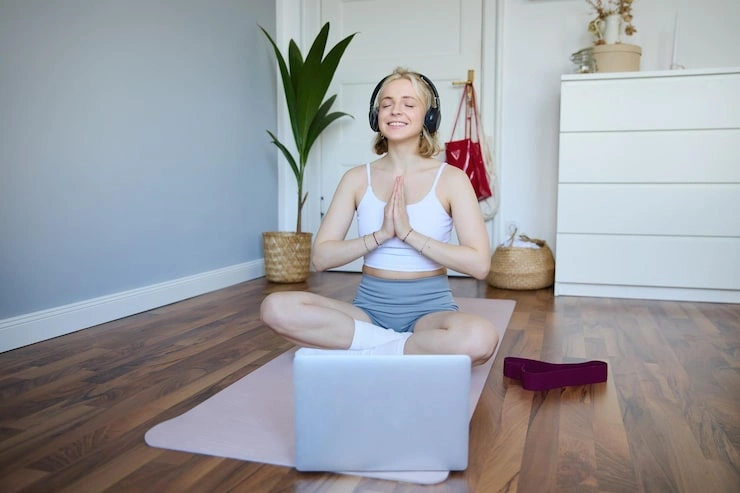
You know what made me sit down and write this? A friend called me last week. She said her doctor told her to try meditation. She had no clue where to start. She felt silly even asking. She thought meditation was for monks or people with too much time on their hands. Sound familiar?
I hear this all the time. People want calm. They want less stress. But they do not know how to get there. And honestly? Most advice out there is terrible. It uses big words. It makes you feel dumb for not getting it. That is not helpful.
So here is what I am going to do. I am going to walk you through this like we are sitting in my living room. You can ask questions in your head. I will answer them. You can mess up. I will tell you that is okay. You can skip days. I will tell you that happens to everyone.
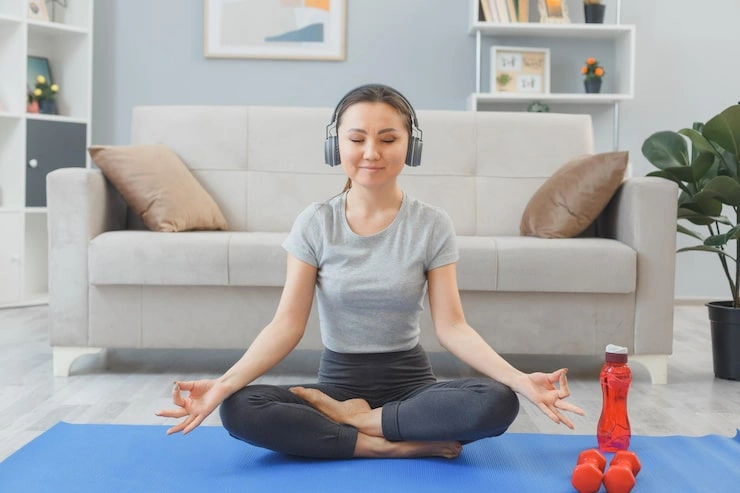
Let me clear something up right now. Mindfulness meditation is not about emptying your brain. I do not know who started that rumor. But it is wrong. You have a brain. Brains think. That is what they do. You cannot stop that anymore than you can stop your heart from beating.
Here is what you are actually doing. You are picking one thing to pay attention to. Usually your breath. When your mind goes somewhere else, you notice. Then you come back. That is it. That is the whole thing.
Read Also: Meditation Techniques For Emotional Healing
You do not need a meditation studio. You do not need a fancy app. You do not need a special cushion that costs eighty dollars. You need a spot in your home where you can sit without someone asking you for a snack.
My first meditation spot was the floor of my closet. I am not joking. I had roommates. The closet was quiet. I sat on a folded blanket. It worked fine. Later I moved to a corner of my bedroom. Now I use the couch sometimes. The point is not where. The point is that you show up.
Your home gives you control. You pick the time. You pick how long. You wear whatever you want. You do not have to impress anyone. You do not have to look peaceful. You can look confused. You can look bored. Nobody is watching.
Walk around your home right now. Where could you sit for five minutes without interruption? Maybe it is the end of your bed. Maybe it is a chair by the window. Maybe it is the floor in your office.
Once you pick a spot, use it regularly. This matters more than you think. Your brain starts to associate that place with calm. Just sitting there starts to relax you. It is like a shortcut.
You do not need to decorate. You do not need candles or incense or singing bowls. But if those things make you happy, go ahead. I have a small plant near my spot. That is it. Sometimes I notice the plant during meditation. That becomes my focus for a moment. Then I go back to my breath.
Morning people usually like morning meditation. Your mind is fresher. The day has not dumped on you yet. You set a calm tone before everything gets crazy.
Night people usually like evening meditation. You let go of the day. You unwind. You sleep better.
Start with three. Yes, three minutes. That is shorter than a pop song. Anyone can do three minutes.
Set a timer. Close your eyes. Breathe. When the timer goes off, you are done. Congratulations. You meditated.
Next week, do four minutes. The week after, do five. Go slow. There is no prize for meditating longer. There is a prize for meditating consistently. That prize is feeling better in your daily life.
Some days you will feel like going longer. Go ahead. Some days three minutes will feel like forever. That is fine too. Just do your three minutes and move on with your day.
Sit down. Get comfortable. But not too comfortable. You do not want to fall asleep.
Close your eyes. Or leave them half open. Whatever works. Take a breath. Notice it. Take another breath. Notice that one too.
Your mind will wander. This is guaranteed. You will start thinking about work. You will remember something you forgot to do. You will plan what to eat later. When you notice, gently come back to your breath.
How gentle? Imagine you are guiding a small child back to a game. You are not angry. You are not frustrated. You just bring them back. That is how you treat your mind.
You might do this fifty times in three minutes. That is normal. That is good. Each time you come back, you are practicing. You are getting better.
Sit up straight. But not rigid. Imagine a string pulling you up from the top of your head. Your shoulders drop down. Your chin tucks in just a little.
Your hands can rest on your thighs. Palms up or down. Your choice. Sometimes I put my hands together in my lap. One hand on top of the other. Thumbs touching. It feels grounded.
Your legs can cross if you are on the floor. Or you can kneel. Or you can sit in a chair with your feet flat. Whatever works. The main thing is that your spine is straight. That helps you stay awake and alert.
Let me tell you what happens to everyone. You sit down. You feel restless. Your leg itches. Your back hurts. You want to stop. This is normal. This is part of it.
What do you do? You notice the restlessness. You notice the itch. You notice the discomfort. Then you go back to your breath. If the itch is really bad, scratch it. Then go back. If your back really hurts, adjust your position. Then go back. You are not failing. You are learning to work with your body instead of against it.
Another thing that happens. You get sleepy. Your body relaxes and your brain checks out. If this happens, open your eyes a little. Look at the floor. Take some deeper breaths. Or meditate at a different time. Morning meditation usually solves this.
The worst thing that happens is self-judgment. You think you are bad at this. You think everyone else is better. You think you are wasting your time. Stop that right now. There is no bad meditation. There is only meditation. Every session counts.
Here is what works. Attach meditation to something you already do. You brush your teeth every morning. Meditate right after. You make coffee every day. Meditate while it brews. You get home from work and change your clothes. Meditate before you change.
Start tiny. Commit to one minute. Anyone can do one minute. Once you sit down, you will probably do more. But even if you only do one minute, you succeeded. That is the mindset.
Track it. Put an X on your calendar every day you meditate. Do not break the chain. This works better than you think. You will not want to break your streak.
Tell someone. Text a friend. Post about it on social media. Having someone know makes you more likely to do it. They might even join you. That is even better.
Week one. Three minutes daily. Nothing else. Just sit and breathe. Let your mind do whatever it wants. Just keep coming back. Do not judge yourself.
Week two. Four minutes daily. Start paying closer attention. Notice the start of each breath. Notice the end. Notice the pause in between.
Week three. Five minutes daily. Try a different focus. Maybe you repeat a word silently. Maybe you listen to sounds around you. See what helps you concentrate best.
Week four. Six minutes daily. You are building momentum now. Meditation might feel more natural. You might notice changes in your daily life. You might feel calmer. You might react less to stress.
After week four, keep going. Stay at six minutes or add more. It is up to you.
You will have days when you do not want to do this. You will be tired. You will be busy. You will think it is pointless.
On those days, do one minute. Just one. That keeps the habit alive. It also shows you that you can do it even when you do not feel like it.
You will have days when you feel nothing. No calm. No peace. Just boredom. That is fine. Meditation is not about feeling good every time. It is about showing up.
You will have days when you have a wonderful session. Everything clicks. You feel amazing. That is also fine. Just do not chase that feeling. It comes and goes. The practice is steady.
You May Also Like: How to Practice Meditation Techniques for Beginners at Home
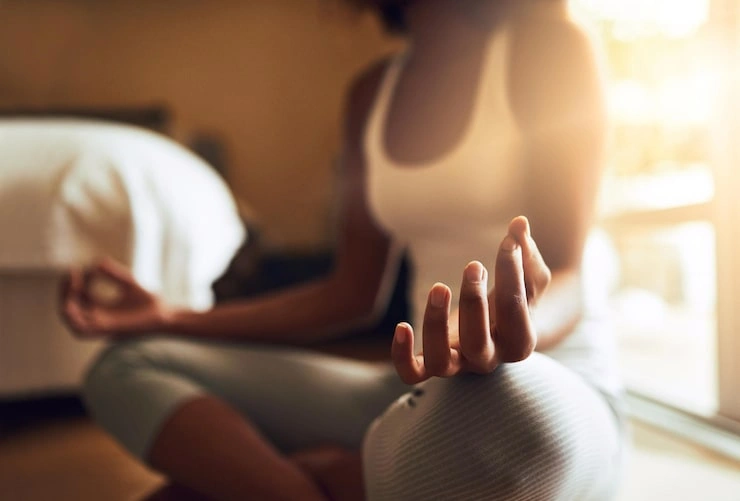
Here is what happens slowly. You notice things. You notice when you are getting stressed. You notice when you are about to snap at someone. You notice when you are worrying about nothing.
Then you have a choice. You can breathe. You can pause. You can respond instead of react. This is the real benefit. It is not just about feeling calm on your cushion. It is about being calmer in your life.
You also become more present. When you eat, you taste your food. When you walk, you feel your steps. When someone talks to you, you really listen. This changes everything.
Keep practicing. That is the main thing. Do not overthink it. Do not make it complicated. Just sit and breathe.
Read books if you want. Listen to talks if you want. Try different styles if you want. But do not forget the basics. The basics are all you really need.
Find a community if that helps you. There are free groups everywhere. Online and in person. Having others around you can keep you motivated.
But honestly? You can do this alone. People have been meditating for thousands of years. They did not have apps or groups or fancy cushions. They just sat and breathed. You can too.
No. A chair works fine. Keep your feet flat. Sit up straight.
Open your eyes a little. Breathe deeper. Or meditate earlier in the day.
You are breathing. You are noticing. You are coming back. That is right.
You can. But you might fall asleep. Sitting is better for most people.
You are not supposed to stop thinking. Just notice the thoughts and come back to your breath.
Some people feel calmer right away. For others it takes weeks. Everyone is different.
You do not need one. But a good teacher can help. You can find free videos online.
Yes. Some people like music. Some people prefer silence. Try both.
Guided meditations are great for beginners. They tell you what to do. You can find free ones everywhere.
Mindfulness comes from Buddhist traditions. But you do not need to be Buddhist. Many people practice without any religious connection.
Disclaimer: SPIRITUAL DEVOUT claims no credit for images featured on our blog site unless otherwise noted. All visual content is copyrighted to its respectful owners.