
Lying awake at night, mind spinning like a hamster wheel? That endless loop of worries, what-ifs, and replays steals your rest and leaves you foggy. I've been there after long days, replaying every conversation. But you can break free naturally—no apps, no meds. These tried-and-true steps come from what works in real life. They quiet the chatter, invite sleep. Stick with them, and nights transform. Ready to reclaim your bed?
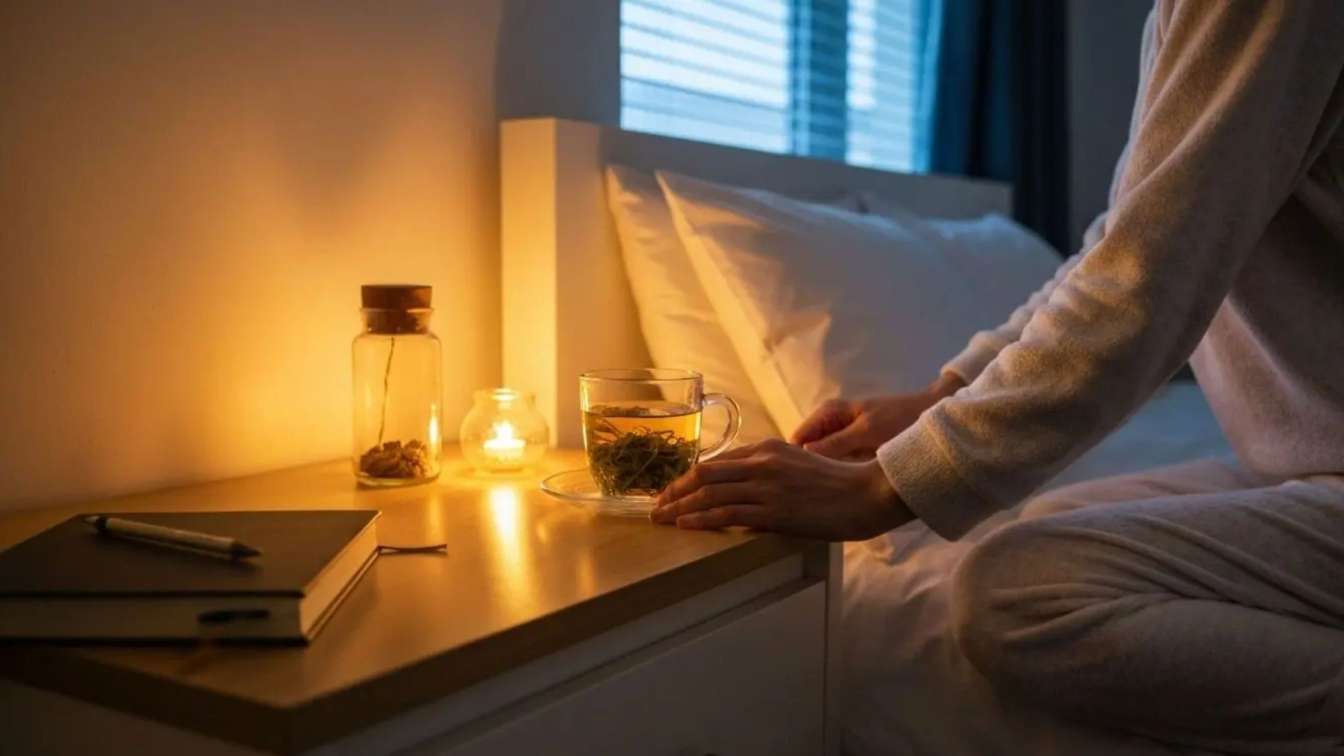
Think of your evenings like prepping for a cozy movie night—your brain craves that wind-down cue to ditch overthinking. Start 60 minutes before bed. Flick off harsh overheads; go for warm lamps that mimic sunset glow. Harsh light keeps you wired.
Ease in with feel-good rituals. Brew chamomile tea—its mild floral taste settles nerves without caffeine kick. Curl up with a paperback novel, something fluffy like a feel-good story, not edge-of-your-seat suspense. Or try gentle stretching: roll shoulders, twist side to side. I added lotion massage to feet after a friend's tip—blissful calm hits quick.
Journaling seals it. Scribble three gratitudes: "That laugh with my buddy," "Fresh bread smell." One let-go worry: "Work email waits till morning." Do this nightly. My routine evolved from trial—skipped tea some nights, but consistency won. Thoughts now fade like radio static.
Week one felt awkward, but by two, bed meant peace. Yours will too—tweak to fit your vibe.
Key takeaway: Routines whisper "rest now" to your busy brain.
Breath is your secret weapon against nighttime overthinking—it's always there, free, powerful. Shallow breaths amp anxiety; deep ones douse it. Master 4-7-8: Nose inhale 4 counts, pause 7, mouth exhale 8 like blowing a candle. Belly expands, chest stays put. Lie flat, eyes closed. Five cycles minimum. Visualize stress as smoke puffing out. Thoughts intrude? Acknowledge, exhale harder, refocus. I pair it with counting sheep clouds—silly, but it sticks.
Variation: Alternate nostril breathing. Thumb right nostril, inhale left; switch. Balances brain sides, calms fast. Used it post-argument nights—mind smoothed in minutes. Practice daytime too, like traffic jams. Bedtime becomes effortless. Friend swore by it during job hunts; sleep returned. Hurdle: forgetting? Set phone reminder till habit forms. Breathe through urges to ruminate. It's physiology—parasympathetic nervous system kicks in, overthinking retreats.
Key takeaway: Deep breaths turn mental storms into gentle breezes.
Read Also: Signs Of High Functioning Anxiety In Adults
Clutter screams chaos, inviting overthinking at night. Transform your room into a sleep cave. Nightstand purge: trash junk mail, cords in drawer. Just lamp, book, water. Freshen linens weekly—cool wash, line dry for crisp scent. Breathable cotton sheets prevent sticky tosses. Ditch wall clocks; glowing digits taunt you. Blackout shades or mask blocks streetlights. Scent it right. Lavender pillow spray—two spritzes—or essential oil roller on wrists. Subtle, not overpowering. Add one plant; green soothes eyes. I decluttered during insomnia streak. Tossed old magazines, added rug—room felt bigger, mind freer. Walk in now, instant relax.
Quick table for bedroom tweaks:
| Element | Clutter Trap | Natural Fix |
|---|---|---|
| Lighting | Bright bulbs | Dimmable warm lamps |
| Bedding | Wrinkled sheets | Fresh, cool fabrics |
| Tech | Phone on charger | Charge in kitchen |
| Air | Stuffy | Open window 10 min pre-bed |
Test one change weekly. Sanctuary achieved.
Key takeaway: Clean space, clear mind—simple as that.
Journaling unloads mental baggage before it explodes at night. Ten minutes pre-bed, pen flows free. Start "Brain dump": every nagging thought—"Boss feedback stung," "Bills due." No filter. Flip to action: "Email boss tomorrow," "Budget spreadsheet Sunday." End positives: three specifics—"Puppy zoomies," "Spicy curry kick," "Sun on face." Shifts focus.
Stuck? Prompts: "Best moment today?" "What can wait?" Doodle if words stall. My notebook's messy—cross-outs fine.
During house hunt stress, pages ate worries. Patterns showed: most fears fizzled by dawn. Sleep deepened.
Brain dump section: List raw thoughts.
Action plan: One step per worry.
Gratitude close: Sensory details for vividness.
Buddy uses voice notes—same effect. Yours personal. Habit builds resilience.
Key takeaway: Paper holds worries so your head doesn't.
Day habits dictate night calm. Schedule "worry time"—20 minutes 4 PM. Notebook out, fret away. Later? "Parked till tomorrow." Brain learns boundaries. Caffeine cutoff: noon max. It half-lives long, jitters linger. Herbal swaps: peppermint perks sans buzz. Dinner light—salad, fish, skip fries.
Walk 30 minutes daily. Nature distracts, tires body. No marathons; brisk pace. Naps? 20 minutes pre-3 PM. Cut evening news—doom scrolls amplify. I swapped coffee for walks; energy evened, nights solid.
Table for daytime do's/don'ts:
| Time of Day | Avoid | Do Instead |
|---|---|---|
| Morning | Extra coffee | Water + stretch |
| Afternoon | Snooze >20 min | Worry window + short walk |
| Evening | Heavy meals/news | Light snack + hobby |
Gratitude rewires negativity bias naturally. Bedside, recall three moments: "Barista's smile warmed me," "Book page-turn thrill," "Soft blanket hug." Aloud or written—own it.
Evening moves vent steam without hype. Yoga flow: Cat-cow on floor—arch back, round. 5 rounds. Child's pose: forehead to mat, arms stretch. Breathe into hips.
You May Also Like: Free Guided Meditations For Sleep

It's a technique where you tense and release muscle groups to melt physical tension that fuels overthinking. Start at toes: curl tight for 5 seconds, release for 10. Move up legs, arms, face. Takes 10 minutes in bed—breathe slow. Great for wired nights.
Include dim lights, herbal tea, light reading or journaling gratitudes. Aim for 45-60 minutes before bed. Keep it simple and same every night—your brain catches on quick, cutting thought loops.
Clutter visually signals chaos to your brain. Clear surfaces, fresh sheets, no screens—creates a calm "sleep-only" zone. Spend 10 minutes nightly tidying; it trains your mind to relax on sight.
Disclaimer: SPIRITUAL DEVOUT claims no credit for images featured on our blog site unless otherwise noted. All visual content is copyrighted to its respectful owners.