Starting yoga at home can feel intimidating if you have never done it before. You might worry about doing poses wrong or not being flexible enough. The truth is that yoga is for every body, and your home is the perfect place to begin. You do not need a fancy studio or expensive equipment. All you need is a small space and a few minutes to move.
This guide walks you through simple poses that anyone can do. Each pose comes with clear steps and practical tips. You will learn how to move safely and how to build a routine that fits your life. By the end, you will have everything you need to step onto your mat with easy yoga poses for beginners at home.
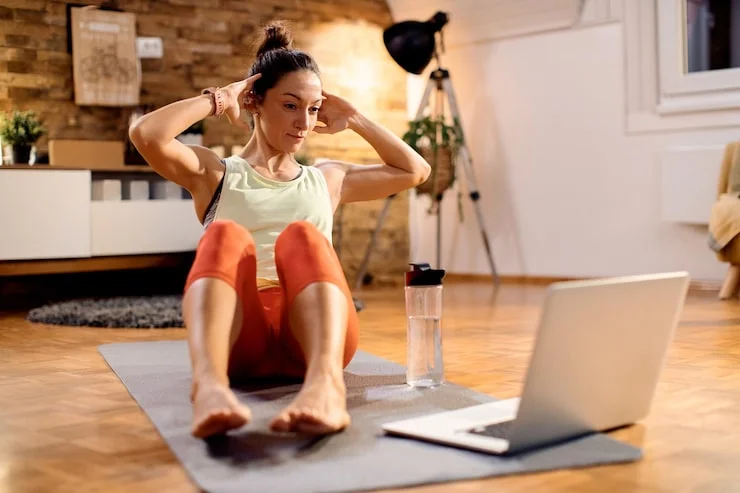
Practicing at home gives you a safe space to explore movement at your own pace . There is no pressure to keep up with a class or worry about what others think. You can pause when you need to, repeat a pose that feels good, and skip anything that does not work for your body.
Yoga Journal notes that home practice is a game-changer because it lets you move on your own terms . You can practice in the morning before work, during a lunch break, or in the evening to unwind. A ten-minute session is enough to feel a difference. Consistency matters far more than duration.
Read Also: Yoga Stretches For Tight Hips
You do not need much to start. A yoga mat is helpful because it keeps your hands and feet from slipping. If you do not have one, a carpeted floor or a thick blanket works fine . Wear clothes you can move in comfortably. Stretchy pants and a t-shirt are perfect.
Before you begin, take a moment to settle in. Sit on your mat and take a few slow breaths. Let go of any expectations about what your practice should look like. The goal is not to touch your toes or hold a perfect shape. The goal is to move, breathe, and notice how your body feels.
These poses form the building blocks of a home practice. They are gentle, accessible, and require no prior experience. Move through them slowly and breathe deeply in each one.
This pose warms up your spine and connects movement with breath. It is one of the most important poses for beginners because it teaches you how to move your spine safely .
How to do it: Come onto your hands and knees. Place your wrists under your shoulders and your knees under your hips. Your back should be flat like a table. As you breathe in, let your belly drop toward the floor and lift your chest and gaze. This is Cow Pose. As you breathe out, round your back toward the ceiling, tuck your chin, and draw your belly in. This is Cat Pose . Move back and forth between these two shapes, matching your movement to your breath. Repeat five to ten times.
Why it helps: Cat-Cow improves circulation in your spine and helps ease back tension from sitting . It also teaches you how to coordinate breath with movement, which is the heart of yoga.
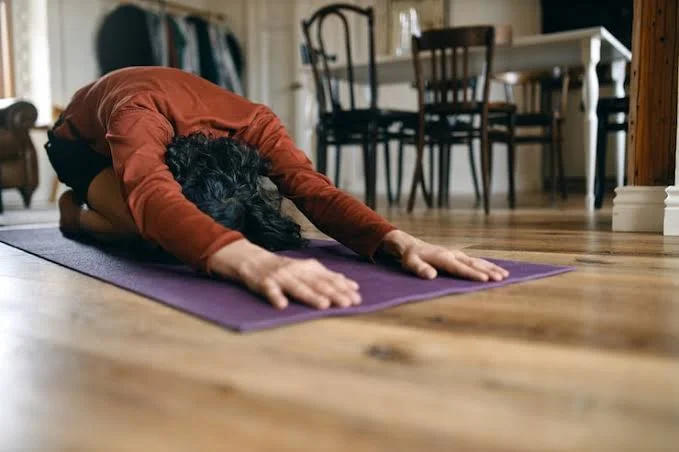
Child's Pose is a resting shape that calms your mind and stretches your lower back. You can come to it anytime you feel tired during your practice.
How to do it: Kneel on your mat with your big toes touching. Spread your knees wide apart. Sit your hips back toward your heels and walk your hands forward. Lower your chest and forehead toward the mat. Let your shoulders relax away from your ears. Stay here for five deep breaths . If your forehead does not reach the mat, stack your hands under your head for support .
Why it helps: This pose gently stretches your spine and hips while giving you a moment to rest . It is a good pose to use between more active movements.
Downward Dog is a classic yoga pose that stretches your whole body. It might feel strange at first, but it becomes easier with practice. Healthline describes it as a foundational pose that builds strength and mobility .
How to do it: Start on your hands and knees. Press your hands firmly into the mat and lift your knees off the floor. Bring your hips up toward the ceiling so your body makes an upside-down V shape. Keep a slight bend in your knees if your hamstrings feel tight. Your heels do not need to touch the floor. Press evenly through both hands and let your head hang between your arms . Hold for up to one minute.
Why it helps: Downward Dog stretches your shoulders, hamstrings, and calves. It also builds strength in your arms and core. If your wrists feel sore, you can press into your forearms instead of your hands .
Bridge Pose strengthens your back and opens your chest. It is a gentle backbend that almost anyone can do.
How to do it: Lie on your back with your knees bent and your feet flat on the mat, hip-width apart. Place your arms at your sides with your palms facing down. Press your feet and hands into the mat and lift your hips toward the ceiling. Keep your knees in line with your hips. Hold for a few breaths, then slowly lower your hips back down .
Why it helps: Bridge Pose strengthens your glutes, hamstrings, and lower back . It also counters the effects of too much sitting by opening your chest and hip flexors.
This pose stretches your back and legs while calming your mind. It is a good pose to end your easy yoga poses for beginners at home.
How to do it: Sit on your mat with your legs straight out in front of you. If your hamstrings are tight, sit on a folded blanket to tilt your hips forward. Breathe in and reach your arms overhead. Breathe out and hinge forward from your hips, walking your hands toward your feet. Keep a slight bend in your knees. Do not force yourself to reach your toes. Stay where you feel a gentle stretch.
Why it helps: Seated Forward Fold stretches your spine, hamstrings, and shoulders. It also encourages you to slow down and turn inward.
You May Also Like: Can yoga reduce high blood pressure?
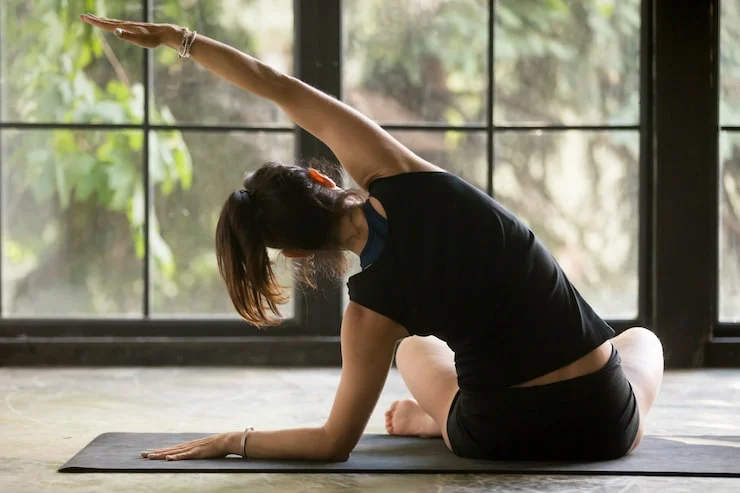
You do not need to do every pose every day. A short routine that you actually do is far better than a long routine you skip. Here is a simple sequence that takes about ten minutes.
Start with Cat-Cow for one minute to warm up your spine. Move into Downward Dog and hold for five breaths. Come to Child's Pose and rest for five breaths. Then do Bridge Pose three times, lifting and lowering your hips with your breath. Finish with Seated Forward Fold for one minute.
This sequence moves your whole body without overwhelming you. Once it feels familiar, you can add poses or stay longer in each shape. Yoga Journal offers a ten-minute gentle sequence that requires no standing, which is helpful if you are low on energy or short on space .
Yoga should never hurt. You will feel a stretch, but it should not be sharp or painful. If something hurts, back out of the pose. Verywell Fit advises avoiding any jerky movements and never pushing yourself deeper than your body is ready for .
Use props to support you. A folded blanket under your knees makes kneeling poses more comfortable. A block or a stack of books under your hands brings the floor closer in forward folds. These tools are not cheating. They help you find the right alignment for your body.
Pay attention to your breath. If you find yourself holding your breath, you have gone too far. Back off slightly and let your breath flow smoothly. Your breath is your best guide for knowing when to slow down.
Three to four times a week is a good goal for beginners. Even two short sessions a week will help you build familiarity with the poses. Daily practice is fine if you keep sessions gentle and listen to your body.
Flexibility is not a requirement for yoga. It is a result of practice. Start where you are and use props to make poses accessible. Over time, your range of motion will improve naturally .
Many gentle yoga poses can help ease back tension. Cat-Cow and Child's Pose are especially helpful. However, check with your doctor first if you have a diagnosed condition or recent injury. Avoid any pose that causes pain.
A mat is helpful but not essential. A non-slip surface like a carpeted floor or a thick towel will work for most poses. If you continue practicing, a basic mat is a good investment.
Starting a yoga practice at home is one of the best things you can do for your body and mind. You do not need experience, flexibility, or special equipment. You need a few minutes and a willingness to show up for yourself.
Begin with the poses in this guide. Move slowly. Breathe deeply. Notice how your body feels before and after each session. Over time, you will build strength, flexibility, and a sense of calm that carries into the rest of your day. Your home practice is yours alone, and it starts exactly where you are right now.
Disclaimer: SPIRITUAL DEVOUT claims no credit for images featured on our blog site unless otherwise noted. All visual content is copyrighted to its respectful owners.