
You do not need a special cushion, a quiet room, or a spare hour to start being mindful. You can begin right where you are, sitting in a chair, standing by a window, or lying in bed. The exercises below are simple on purpose. They ask you to notice what is already happening in your body and around you, without trying to fix or change anything.
Most people who try mindfulness for the first time expect their mind to go blank. It will not. That is not the goal. The goal is to notice when your attention has wandered and to bring it back, gently, without scolding yourself. Every time you do that, you are strengthening your ability to focus . That is the mindfulness exercises for beginners at home.
Breathing is the most common place to begin because it is always with you. You do not have to find it or create it. You just have to notice it.
Sit in a chair with your feet flat on the floor, or sit cross-legged on the floor if that feels comfortable. You can close your eyes or keep them open with a soft gaze downward . Take one slow breath in through your nose. Let it out through your mouth. Then just let your breath find its own rhythm. Do not force it to be deep. Do not try to control it. Notice where you feel the breath most clearly. It might be the cool air at your nostrils, the rise of your chest, or the gentle expansion of your belly .
Your mind will wander. It might wander to your grocery list, to a conversation you had yesterday, or to the sound of a car outside. When you notice that it has wandered, that noticing is the practice. You have already succeeded. Simply bring your attention back to the breath and start again. You can do this for one minute or five minutes. One minute counts.
Read Also: Meditation For Inner Peace And Strength
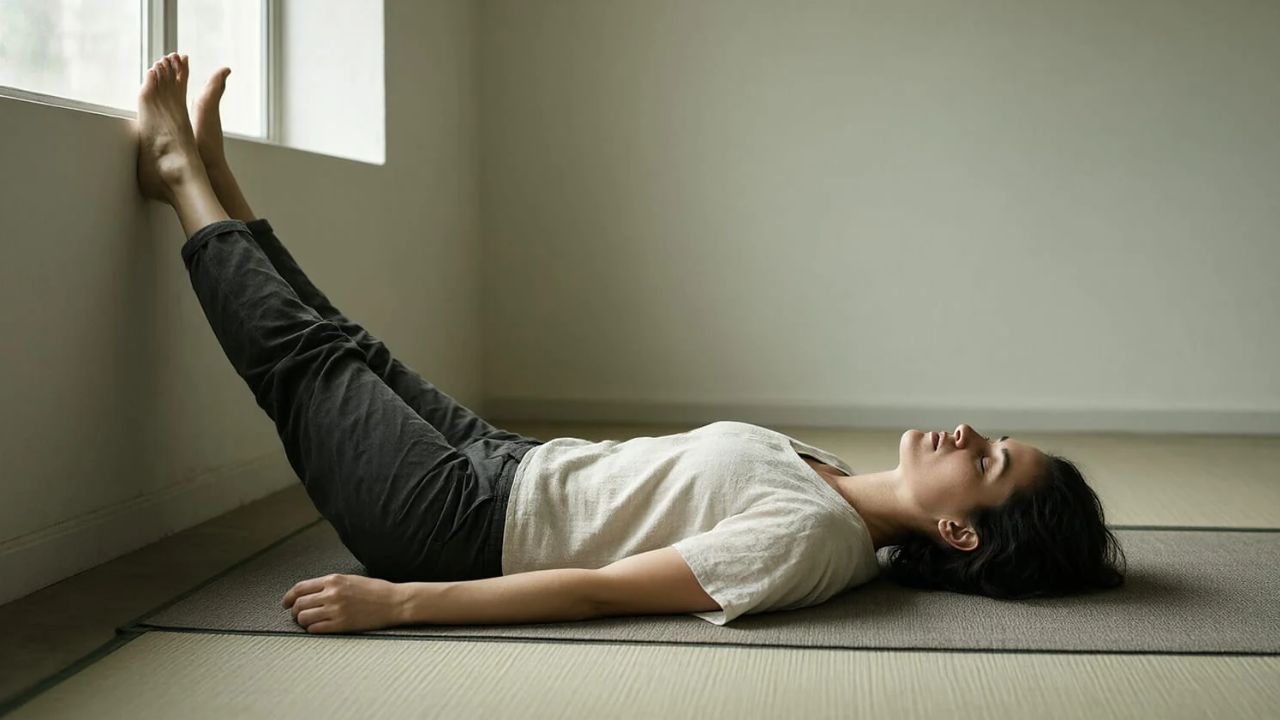
A body scan is a way to check in with yourself without judgment. It can help you notice tension you did not realize you were holding, and it can bring a sense of calm to your whole body .
Lie down on your back or sit comfortably in a chair. Take a few slow breaths. Then bring your attention to the top of your head. Just notice what is there. Is there warmth? Tingling? Nothing at all? Whatever you feel is fine. Slowly move your attention down through your body: your face, your jaw, your neck, your shoulders, your arms, your hands, your chest, your stomach, your back, your hips, your legs, your feet .
You are not trying to relax each part. You are just noticing it. If you find a spot that feels tight, you can let your breath move there for a moment, but you do not have to make the tension go away. You are simply observing. When your mind drifts, bring it back to the part of the body you were noticing. The whole scan might take five minutes or ten. You can do it before bed, or in the morning before you start your day.
Sometimes the simplest way to come back to the present moment is to use your senses. This exercise is sometimes called the 5-4-3-2-1 technique, and it is useful when your mind feels scattered or anxious.
Look around you and name five things you can see. Say them silently or out loud. Then name four things you can touch. Notice the texture of your shirt, the smooth surface of a table, the cool fabric of a chair. Then name three things you can hear. A clock ticking. A bird outside. The hum of a refrigerator. Then two things you can smell. If you cannot smell anything, just notice that. Then one thing you can taste .
You can do this in two minutes. It works because it gives your mind something specific to do, and it pulls your attention away from whatever story your thoughts were telling and back into the room you are actually sitting in.
You probably eat at least once a day. That makes eating a natural place to practice mindfulness without adding anything new to your schedule.
Pick a small piece of food. A raisin, a slice of apple, a square of chocolate. Before you put it in your mouth, look at it. Notice its color and shape. Notice how it feels between your fingers. Smell it. Then put it in your mouth, but do not chew yet. Notice the texture against your tongue. Notice the taste. Then chew slowly. Notice how the taste changes as you chew. Notice when you swallow .
You are not doing this to make eating take forever. You are doing it to notice what is actually happening. Most of us eat while looking at a phone or thinking about the next thing. This exercise asks you to do one thing at a time. You can do it with one bite of any meal, or with a whole snack. Even one mindful bite is a real practice.
Walking is another everyday activity that can become a mindfulness exercise. You do not need to go anywhere special. You can walk from your kitchen to your bedroom, or around your block.
Walk a little slower than you normally would. Notice your feet. Notice how your heel touches the ground, then your foot rolls forward, then your toes push off. Notice the shift of weight from one leg to the other. Notice how your arms move. Notice the air on your face .
If you are walking outside, let your attention rest on what you see and hear. The color of the sky. The sound of leaves. The feeling of the pavement under your shoes. When your mind wanders, bring it back to the physical feeling of walking. You can do this for two minutes or twenty. The length does not matter as much as the act of returning, again and again, to the step you are taking right now.
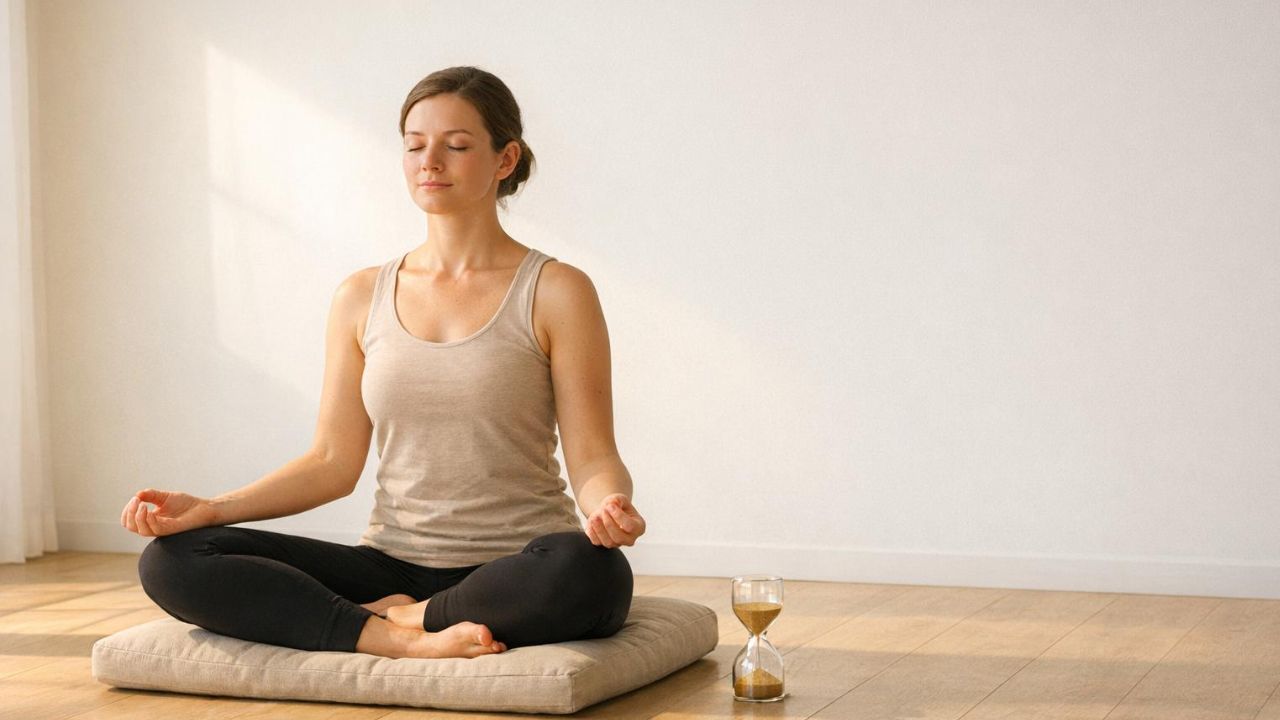
It will happen. You will sit down to breathe or scan your body, and your mind will feel louder than ever. You will think about work. You will replay an argument. You will plan what you are going to say in a meeting tomorrow.
This is not a sign that you are doing it wrong. It is a sign that you are human. Even people who have been meditating for decades have wandering minds . The difference is that they have practiced returning. They have practiced being kind to themselves when they get distracted.
When you notice that your mind has wandered, you can say to yourself, quietly, "thinking." Then bring your attention back to your breath, or to the part of your body you were scanning, or to the feeling of your feet on the floor. You do not need to analyze the thought. You do not need to figure out why you are thinking it. You just let it pass and come back .
If you find that you are judging yourself for being distracted, that is just another thought. Notice it, and mindfulness exercises for beginners at home.
You May Also Like: Meditation For Overthinking At Night
You do not need to practice for thirty minutes. You do not need to practice every day if that feels like too much pressure. Start with one minute. Or three minutes. Or one mindful bite of breakfast. The most important thing is that you do it, not that you do it for a long time .
Some people find that a regular time helps. Maybe right after you wake up, before you check your phone. Maybe right before bed, after you turn off the light. Maybe while you are waiting for the kettle to boil. You can also practice in small moments throughout the day, whenever you remember. There is no rule about when or how often .
Research suggests that benefits build over time, often after several weeks of regular practice . But you do not need to worry about the research right now. You just need to try one exercise and see what happens. If it feels strange, that is normal. If it feels boring, that is normal. If it feels like nothing is happening, that is normal too. The practice is the noticing, and you are already doing it.
Mindfulness is not about becoming a different person. It is not about clearing your mind or escaping your life. It is about being present for the life you already have, including the messy parts.
If you try one of these exercises and your mind feels chaotic, you have not failed. If you try it and you feel nothing, you have not failed. If you forget to practice for a week, you have not failed. You can always begin again. That is the entire practice. You notice, you return, and you do it again.
Disclaimer: SPIRITUAL DEVOUT claims no credit for images featured on our blog site unless otherwise noted. All visual content is copyrighted to its respectful owners.